How Routine Septic System Cleaning Saves Money: Reliable, Expert Recommendations
Business Name: Elite Sanitation Services
Address: Saucier, MS 39574
Phone: (228) 297-4850
Elite Sanitation Services
Since 2016, Elite Sanitation Services has been the premier provider for all your sanitation needs. We deliver comprehensive solutions. Our expert team ensures seamless service for events and construction sites, handling everything from septic system services to grease trap pump-outs and jetting services. We are dedicated to providing superior sanitation services with unmatched reliability and professionalism.
Saucier, MS 39574
Business Hours
If you have a septic system, your bottom line lives or passes away in the drainfield. The tank is merely the very first stop. Whenever I stroll a property for a first go to, I discuss that a sewage-disposal tank is created to safeguard soil from solids. When the tank is overlooked, solids slip past, obstruct the drainfield, and expenses spike from hundreds to numerous countless dollars. Routine septic tank cleaning is the most inexpensive insurance you can purchase for this peaceful, vital system under your lawn.
I have actually invested enough years around pump trucks and soil pits to see both ends of the spectrum. On one side, tidy records, clear covers, a light crust in the tank, and a drainfield that breathes. On the other, yard flags marking soaked trenches, stressed owners with laundry on hold, and estimates for a replacement that appears like a kitchen area remodel. The difference between those 2 results typically boils down to predictable, routine septic tank pumping and a few simple habits.
What cleaning in fact does, and why it matters
Inside your tank, wastewater separates. Solids settle as sludge, light product drifts as scum, and the liquid in the middle drains to the drainfield. That middle zone is what the soil can safely treat. Septic tank cleaning, likewise called septic system pumping or septic system emptying, eliminates the sludge and scum before they reach the outlet. Consider it as resetting the clock on your system's capacity. When you let solids build toward the outlet, they migrate. When those solids slip into the drainfield, they do not come back.
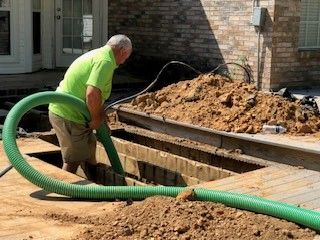
The outlet baffle and the effluent filter assistance, but they are not an alternative to routine septic system maintenance. Filters block by design when they capture too much. I have actually had Saturday calls where a basic filter cleaning for 20 minutes repaired a slow drain. I have also pulled filters so matted with fines that the field was already receiving solids. Those fines reduce the life of the soil user interface, and soil does not regrow on our schedule.
The expense photo, in plain numbers
Contractors can quote your location's pricing, however broad varieties inform the story. A basic sewage-disposal tank cleaning for a single household home typically lands in between 300 and 600 dollars, depending upon tank size, gain access to, and local rates. Add a bit more if lids are buried or the truck has a long hose pipe run. An emergency situation call at 8 p.m. On a vacation can double that.
Now compare those numbers to the next tier of costs. A new effluent filter is 80 to 200 dollars. A baffle repair or outlet tee replacement can be a couple of hundred. A drainfield renewal attempt, such as jetting or bio-augmentation, often runs 1,000 to 3,000 dollars with unpredictable success. And a full drainfield replacement can range from 6,000 dollars in simple sandy sites to 25,000 dollars or more in tight clay, little lots, or high groundwater, not including landscape restoration.
I worked with a property owner, three kids and frequent company, who treated pumping as a sooner or later job. 5 years extended to 8. The very first symptom was gurgling and a patch of damp lawn down slope. We pulled the lid to find solids deep near the outlet. The filter was a felt-like mat. We pumped, cleaned up, and tried to save the field with resting cycles, but fines had already moved. The repair quote came back at 14,200 dollars for a mound system due to website restrictions. A set of 400 dollar pumpings during those 8 years would have been cash well spent.
How professionals extend your dollars during a visit
A great service technician does more than empty the tank. We take a look at the whole path of water. Anticipate an experienced pro to do several peaceful money-saving actions throughout sewage-disposal tank cleaning.
-
Confirm capacity and condition. We determine sludge and scum depths before pumping. If your tank is reaching two thirds full of combined solids, you get a clear signal on frequency. We also inspect baffles and riser seals, common leak and failure points.
-
Check circulation patterns and backflow signs. Slow return through the outlet throughout pumping can mean a heavy biomat in the field. Foam or paper at the outlet suggests solids migration. Early cautions let you adjust use or plan rehabilitation while it is cheaper.
-
Service the effluent filter. Cleaning it keeps the outlet secured and prevents nuisance backups that activate after a huge laundry day.
-
Look for seepage. A running toilet or a dripping flapper can include numerous gallons a day into your tank. I have had covers off when a line of clear water rattled into the inlet, even with no components in use. One five dollar flapper can cut months off your pumping cycle if left unfixed.
-
Document with photos and receipts. When a purchaser or a license office requests history, excellent records can secure your sale price and keep inspectors at ease.
Notice how those touches catch issues early. Avoiding one flooded basement or one field failure dwarfs the expense of regular service.
The real upkeep period, not the myth
You will hear general rules like every three to five years. Those are averages, not orders. The right septic tank pumping frequency depends on tank size, variety of individuals, water use habits, garbage disposal usage, and whether you run high-efficiency fixtures. As a useful guide, a 1,000 gallon tank serving a household of 4 without a garbage disposal often requires pumping about every three years. A smaller 750 gallon tank or a home with a heavy disposal habit might need it closer to every two. An older couple with a 1,250 gallon tank and low water use can extend to 4 and even five, if residue and sludge levels stay conservative.
If you want numbers behind the schedule, ask for a sludge judge reading throughout service. When the combined sludge and scum layer is around one third of tank depth, intend on cleaning. Stretching the interval to save 300 dollars this year can push fines into the field and set up a five-figure costs later. You are not paying to eliminate water. You are paying to get rid of solids that your soil can not manage to see.
A simple return-on-investment view
Let's resolve one situation. A 1,000 gallon tank costs 450 dollars to pump in your location. You arrange every three years, so 150 dollars each year averaged. Now factor in the risk reduction. The replacement field for your lot would have to do with 12,000 dollars, with a twenty years style life on paper. If regular cleaning increases your field's sensible life from 12 to 25 years, you have postponed a 12,000 dollar expenditure by more than a years. The time worth of cash matters too. Money not invested today can earn or cover other needs.
Some owners like to see break-even lines. If you presume that disregard approximately doubles the opportunity of early drainfield failure within 10 to 15 years, and regular cleaning costs 150 dollars per year balanced, the expected savings easily surpass the upkeep cost. We are dealing with low, foreseeable costs now to avoid high, unpredictable expenses later.
Hidden ways cleaning up reduces costs you already pay
Aside from the big-ticket items, routine septic tank maintenance trims a handful of repeating expenses.
-
Fewer emergency situation calls. A tank with an overlooked filter or a heavy scum cap tends to support at the worst times. Nights and weekends run at premium rates.
-
Longer pump and alarm life. For systems with a pump chamber, keeping solids out extends pump life and minimizes float switch failures. Pulling a rag ball out of an impeller after a late-night failure is a story most techs can inform, and each one begins with solids where they did not belong.
-
Lower water costs or electricity. While your septic does not use much power, resolving a quiet leak identified during a service check out drops water use. I have actually seen a little valve leakage include 2,000 gallons a month.
-
Health and cleanup avoidance. A backed-up line that overflows in a finished basement causes decontaminating, drywall elimination, and devices rental. The costs can match a year of routine care.
The drainfield is the reward you are protecting
Picture the drainfield as a living interface in the soil. Bacteria form a biomat along the trench walls and bottom. Handled well, it treats wastewater and meters circulation into the soil at a consistent pace. Strain it with solids or consistent high flow, and that mat thickens. Once blocked, water follows the course of least resistance to the surface or back toward the house.
Texture and groundwater complicate the image. In sandy soils, fines take a trip further. That may postpone symptoms, which can lull an owner into avoiding service, but damage is still developing. In tight clay, symptoms appear earlier due to the fact that movement is slow. High groundwater or seasonal saturation reduces the oxygen the biomat requires to remain healthy. In each case, clean effluent offers your soil the best possibility. Septic tank cleaning gets rid of the mass that would otherwise head to the field, which is why every pumping billing is also a drainfield insurance coverage receipt.
Not all routines cost the same
Your everyday choices shape how often you require service. Individuals ask me about ingredients initially, however behavior beats a bottle almost whenever. Utilize the system gently and it will be flexible. Live hard with it, and you will need the pump truck more frequently, which is still more affordable than a field replacement.
If you run a waste disposal unit like a 2nd garbage can, expect shorter intervals between cleanings. Ground food does not amazingly vanish. It develops into sludge. Consider composting or using the disposal sparingly. Spread out laundry so you are not discarding four loads into the system in a single night. Switch older toilets to 1.28 gallon models and repair drippy faucets. Grease belongs in a can, not in a drain. Coffee grounds, damp wipes labeled as flushable, and dental floss are regular villains inside tanks and pumps.
Homes with hot tubs, large soaking tubs, or water softeners need a little extra attention. A single jacuzzi dump can equal a day's flow, which stirs up the tank. Softener backwash can include brine that some soils deal with improperly. This does not suggest you need to avoid features, just strategy and maintain accordingly.
When a list helps: simple indications to arrange earlier pumping
-
You are a brand-new owner with no service records and an unknown tank size.
-
You notice gurgling in drains, sluggish sinks, or toilets that need a second flush.
-
Green, spongy turf appears in a spot over the field or downhill from it.
-
It has been more than three years for a household of 4 with a 1,000 gallon tank.
-
Your effluent filter journeys alarms or clogs more than once in between cleanings.
These are not panic signs, but they are not ones to overlook. A quick call and an arranged septic system emptying can turn a prospective crisis into a routine visit.
What about additives, enzymes, or bacteria in a bottle
This is where marketing frequently outruns science. Your tank currently hosts an abundant bacterial community. Regular usage of water and typical waste keeps it well balanced. Enzyme and bacterial additives assure to minimize pumping requirements, but in my experience and in lots of state extension publications, they do not change the physical removal of solids. Some items can even stir up the sludge layer, pushing fines towards the outlet. If you like utilizing a biologically mild additive to help with paper breakdown, fine, however do not treat it as a trade for sewage-disposal tank pumping. The trap that conserves you cash is steel or concrete, not a label.
Access enhancements that spend for themselves
Buried lids are concealed charges waiting to occur. Every time we have to dig, you pay for labor and time. Setting up risers to grade saves money over the life of the system, specifically in climates with frost heave or in backyards with landscaping you do not want disturbed. https://trevorwujt709.novacrestiq.com/posts/septic-tank-emptying-plan-and-also-best-practices-for-long-term-device-health Clear labeling of inlet and outlet covers speeds service and minimizes the risk of a missed out on filter cleaning.
An effluent filter is another little financial investment that repays. If your outlet does not have one, ask for a model that fits your tee. Filters cost less than a great supper out and can be cleaned during each septic tank maintenance check out. If blockages are frequent, that is information, not just a nuisance. It tells you solids are attempting to leave the tank and your schedule requires adjustment.
How timing and season can make service cheaper
Scheduling in spring or fall often makes good sense. Ground is softer than mid-summer clay, covers are not frozen, and trucks can reach the site without destroying defrosting soil. If your tank is under a deck or a hardscape path, plan access before you build. One client set up a small deck hatch over a riser, and his pump gos to went from two hours to forty minutes. That is a life time of lower service fees and no saws near joists.
If you own a holiday leasing or host big events, strategy pumping before peak season. Rental traffic drives water consume, and tenants do not constantly treat systems like owners do. A proactive septic tank cleaning in early summer season expenses less than a mid-July emergency while visitors are on site.
Records, policies, and home value
Several counties now require proof of pumping or examinations during residential or commercial property transfers. Even where it is not required, a stamped invoice and a brief evaluation report lower buyer stress and anxiety. I have enjoyed deals can be found in cleaner when sellers turn over a cool folder with dates, images, and service notes. Disclosure is not simply a legal box, it is a trust builder that can protect your asking price.
Some jurisdictions likewise use pointers and even refunds for riser installations and inspections. Examine your health department's website. Compliance is much easier when you have a rhythm, and inexpensive when compared to fines or required corrective actions.
Choosing a service provider who watches out for your wallet
Pricing matters, however so does judgment. The lowest quote is not an offer if the company faster ways or pumps only the liquid. Ask how they measure sludge and residue, whether they inspect baffles, and if filter service is consisted of. Look for a company that can describe your tank's design and show you with a fast photo. If someone recommends pumping through a little cleanout instead of opening the tank covers, push back. You desire complete residue removal, not a stir and suck that leaves the heavy product behind.
A professional with an electronic camera and the skill to utilize it can be worth the additional service charge when symptoms appear. A brief line video camera pass from the tank's outlet into the distribution box or first lateral offers clearness you can not get from guesses. Clarity keeps you from paying for the wrong fix.
Case notes from the field
A couple in a 1960s cattle ranch had their first backup after decades of no problems. They had actually raised two kids there and were now empty nesters. We opened the tank to discover a crumbly concrete baffle, a thick scum mat, and no filter. They had not required help before since their water usage had been modest and their soil was flexible sand. But time and lowered pumping had actually deteriorated the baffle. We replaced the baffle with a PVC tee, set up a filter, and pumped the tank. Overall was under 900 dollars. If they had waited, that crumbly baffle might have collapsed and allowed portions into the field, beginning a chain that ends in a replacement. Their brand-new schedule is 4 years, with a five-minute filter rinse each spring.
Another owner had clay soil, a small lot, and a shallow water table. The field was at completion of its style life and backups had begun. He believed pumping was a waste, given that the field was the problem. We pumped anyhow and cleaned the filter, then set the pump tank to dose at smaller, more frequent intervals to give the clay more time. That bought him three peaceful years to save for the brand-new field. The 450 dollar pumping visits during that period were part of a plan, not a bandage. Even at the end, cleaning up lowered tension and preserved options.
The little routines that stack genuine savings
-
Fix quiet leakages in toilets and faucets, and check again each season.
-
Spread out laundry, and think about a front-loader that uses less water.
-
Keep grease, wipes, dental floss, and coffee premises out of drains.
-
Use your garbage disposal lightly, or compost instead.
-
Install risers and an effluent filter, and keep both simple to reach.
These are not concerns. They are the sort of little, repeatable choices that transform into fewer cleansings, longer field life, and less weekend calls.
Edge cases that deserve special judgment
Not every residential or commercial property fits textbook assistance. If your lot has lots of fully grown trees near the drainfield, root intrusion can complicate life in older clay tiles or badly sealed joints. A modern PVC field fights roots much better, but big aggressive species can still discover wetness. A clever strategy might consist of regular mapping to avoid planting brand-new roots over lines, together with arranged video camera checks if symptoms show.
Homes with basement plumbing that drains to a lift station add moving parts. Pumps, drifts, and inspect valves need examination. Solids that reach these elements chew up life span. That is another reason to keep the primary tank in excellent shape. Septic system maintenance upstream minimizes wear downstream.
If your property sits over shallow bedrock or in a flood-prone location, your field has less space for error. That is exactly the type of website where routine septic tank emptying pays outsize dividends. The soil has restricted treatment capacity, so you safeguard it with cleaner effluent and wise water use.

Putting a schedule and a budget in place
Treat your system like any other possession. Start with today's date and the last known pumping. If you do not know it, put a stake in the ground now. Pump the tank, record sludge and residue thickness, and set a tip at two years to recheck. After the second reading, you will have genuine information to extend or shorten the cycle. Fold in life events too. New infant, in-laws moving in, or transforming the basement to a rental all change water use. Update the plan, similar to you would with automobile maintenance when your commute changes.
Budget a little annual quantity, state 150 to 250 dollars, for septic. Some years you will spend it on pumping. Other years it will cover riser installation, filter replacement, or a fast electronic camera medical diagnosis. Even if your three-year pumping hits on the exact same month as school shopping, it will not blindside you if the cash is set aside.
The reliable, professional guidance in one sentence
Regular septic system cleaning is not a task you provide for the tank, it is the least pricey way to secure the far more valuable drainfield and your home's day-to-day comfort.
The property owners who avoid of trouble are not the ones with ideal soil or new systems. They are the ones with a peaceful routine of regular septic system pumping, a couple of thoughtful water-use options, and a tidy folder of records. That habit keeps cash in your pocket, keeps soil working underneath your yard, and keeps the pump truck appearing on your terms rather of in the middle of the night.
Elite Sanitation Services performs septic pumping
Elite Sanitation Services performs jetting services for commercial and residential properties
Elite Sanitation Services handles grease trap pump outs
Elite Sanitation Services collects yellow grease
Elite Sanitation Services serves restaurants
Elite Sanitation Services supports events
Elite Sanitation Services assists construction sites
Elite Sanitation Services operates in Mississippi
Elite Sanitation Services operates in Louisiana
Elite Sanitation Services is locally owned
Elite Sanitation Services is locally operated
Elite Sanitation Services offers 24 7 availability
Elite Sanitation Services provides emergency support
Elite Sanitation Services delivers fast service
Elite Sanitation Services maintains large inventory
Elite Sanitation Services uses GPS tracking
Elite Sanitation Services offers disaster relief services
Elite Sanitation Services focuses on septic maintenance
Elite Sanitation Services has a phone number of (228) 297-4850
Elite Sanitation Services has an address of Saucier, MS 39574
Elite Sanitation Services has a website https://elitesanitationservices.com/
Elite Sanitation Services has Google Maps listing https://maps.app.goo.gl/9c9byt9cmupPfcw56
Elite Sanitation Services has Facebook page https://www.facebook.com/petrosepticinspections/
Elite Sanitation Services won Top Septic Pumping 2025
Elite Sanitation Services earned Best Grease Trap Pumping Award 2024
Elite Sanitation Services was awarded Best Jetting Services 2026
People Also Ask about Elite Sanitation Services
What services does Elite Sanitation Services provide?
Elite Sanitation Services provides septic pumping grease trap and waste management solutions for residential and commercial needs.
Where does Elite Sanitation Services operate?
Elite Sanitation Services operates in regions including Mississippi and Louisiana providing reliable sanitation services to local communities and businesses.
Does Elite Sanitation Services handle septic tank pumping?
Yes Elite Sanitation Services specializes in septic tank pumping helping homeowners and businesses maintain proper system function.
Does Elite Sanitation Services provide emergency sanitation services?
Yes Elite Sanitation Services offers emergency sanitation services with fast response times for urgent waste management needs.
What industries does Elite Sanitation Services serve?
Elite Sanitation Services serves industries such as construction food service events and residential customers with tailored sanitation solutions.
Does Elite Sanitation Services clean grease traps?
Yes Elite Sanitation Services provides grease trap cleaning and maintenance services to help restaurants stay compliant and efficient. Including jetting services.
Is Elite Sanitation Services locally owned?
Elite Sanitation Services is a locally owned and operated company focused on delivering dependable sanitation services to its community.
What are jetting services offered by Elite Sanitation Services?
Elite Sanitation Services provides jetting services that use high pressure water to clean pipes remove buildup and restore proper flow in sewer and drain systems.
When should I use Elite Sanitation Services for jetting services?
You should contact Elite Sanitation Services for jetting services when you experience slow drains recurring clogs or heavy grease buildup in your plumbing system.
Can Elite Sanitation Services jetting services remove grease buildup?
Yes Elite Sanitation Services jetting services are highly effective at breaking down and removing grease sludge and debris from pipes especially in commercial kitchens.
Are Elite Sanitation Services jetting services safe for pipes?
Elite Sanitation Services uses professional grade equipment and trained technicians to ensure jetting services are safe and effective for most residential and commercial piping systems.
Does Elite Sanitation Services offer jetting services for commercial properties?
Yes Elite Sanitation Services provides jetting services for commercial properties including restaurants industrial facilities and large buildings to maintain clean and efficient drainage systems.
Where is Elite Sanitation Services located?
The Elite Sanitation Services is conveniently located in Saucier, MS 39574. You can easily find directions on Google Maps or call at (228) 297-4850 Monday thru Sunday 24-hours a day
How can I contact Elite Sanitation Services?
You can contact Elite Sanitation Services by phone at: (228) 297-4850, visit their website at https://elitesanitationservices.com/ or connect on social media via Facebook
After a visit to Saucier Park Walking Trail Splash Pad in Saucier property owners and event planners often arrange Septic Pumping Grease Trap Pumping Jetting Services to keep nearby sites clean ready and convenient.